2023 - National Geographic publication
MEXIPEDIUM XEROPHYTICUM: THE MEXICAN ORCHID FIGHTS AGAINST THE EXTINCTION OF ITS SPECIES
Ana Paola Garrido, Iñaki Arriola
National Geographic (www.ngenespanol.com/author/nationalg/)
9 May 2023
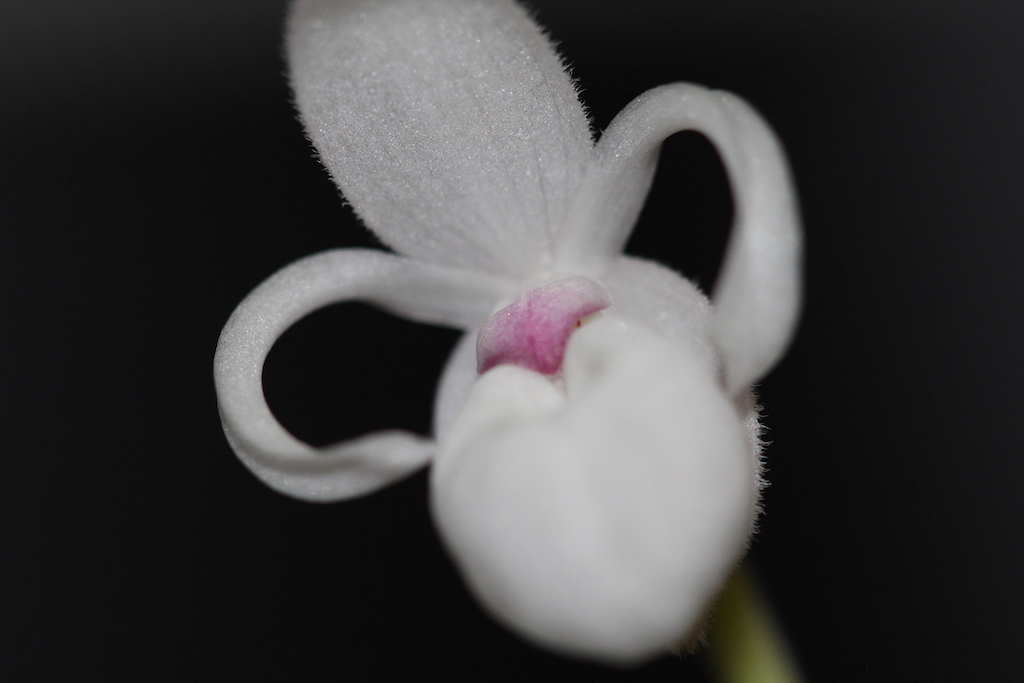
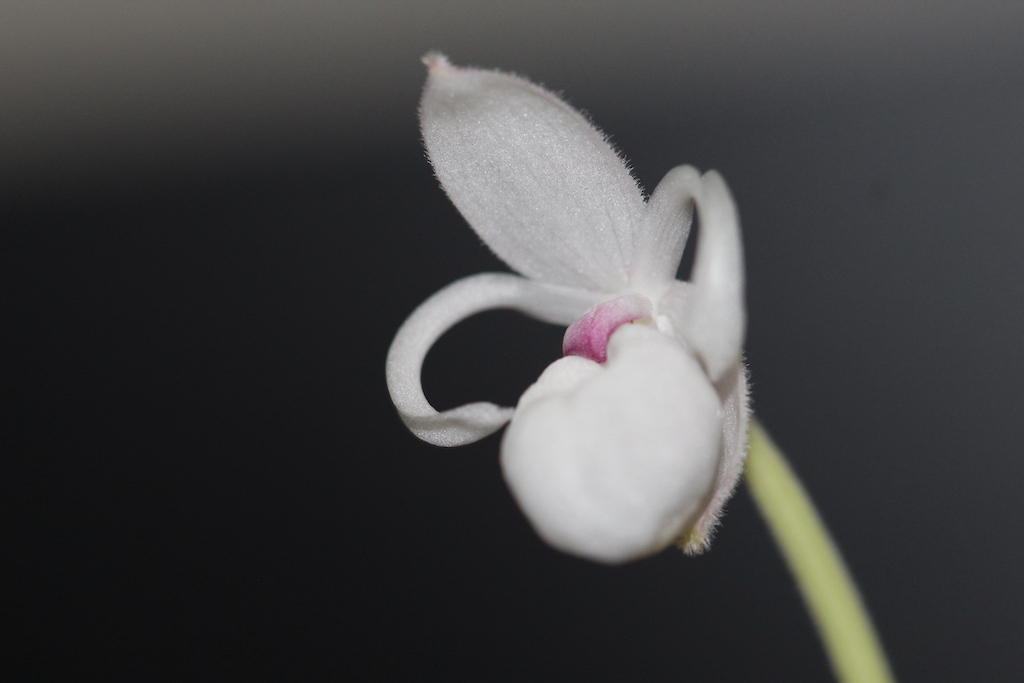
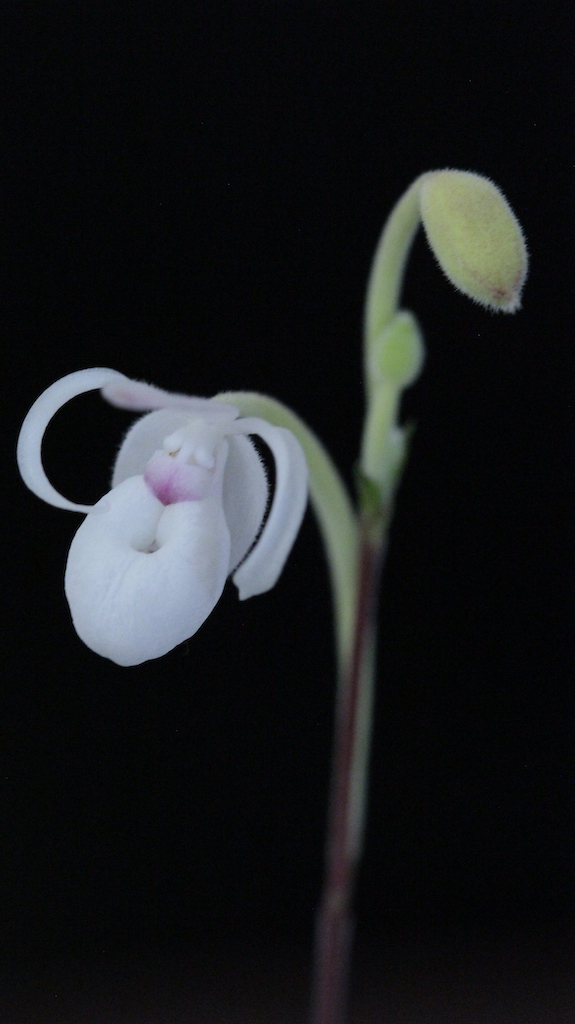
Mexipedium xerophyticum, the missing link in an evolutionary line of orchids that is threatened with extinction in the wild due to natural causes.
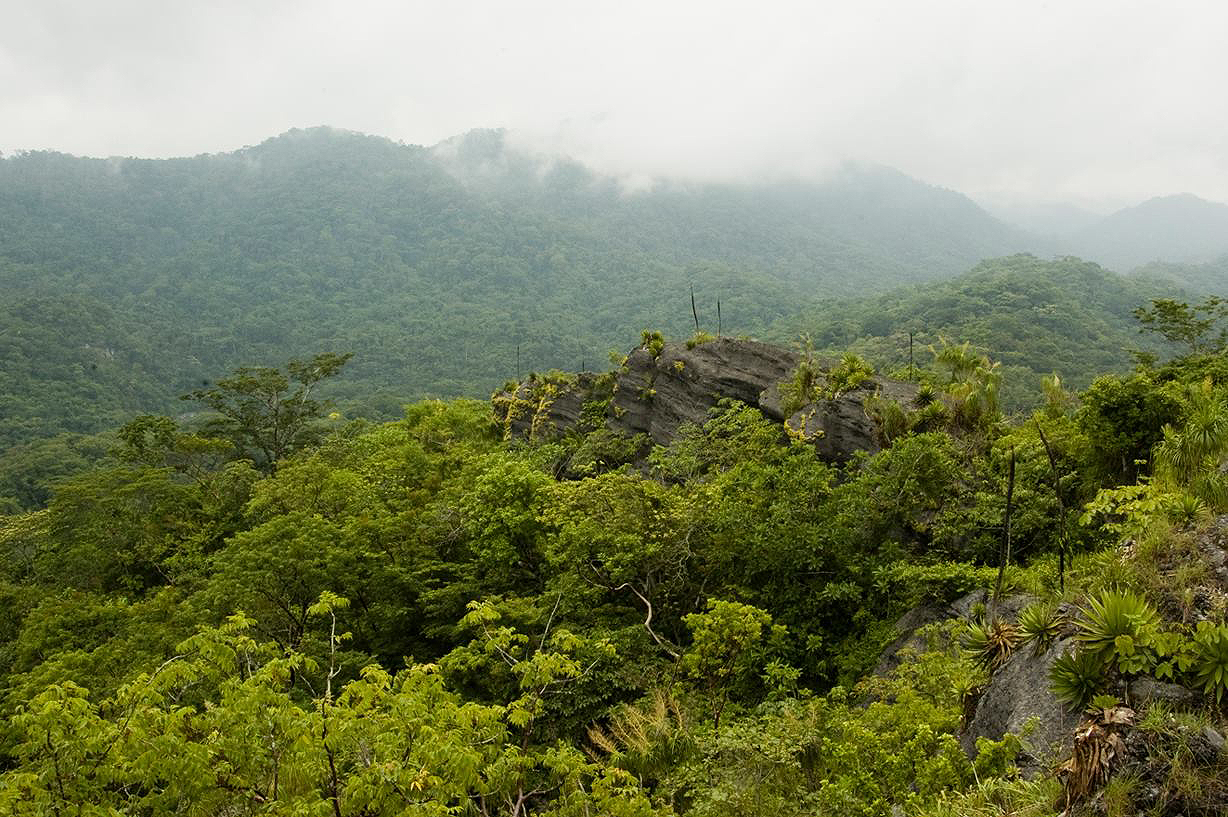
The unusual orchid Mexipedium xerophyticum, which is native to the jungle of Los Chimalapas in south-eastern Mexico, was discovered in 1987. It arrived at the Herbario-Hortorio del Colegio de Postgraduados (CHAPA) and amazed the researchers there.
“As much as I examined it, it didn't look like anything I'd ever seen before,” explains Gerardo Salazar, one of the discoverers of the species and a doctor of biology at the University of London.
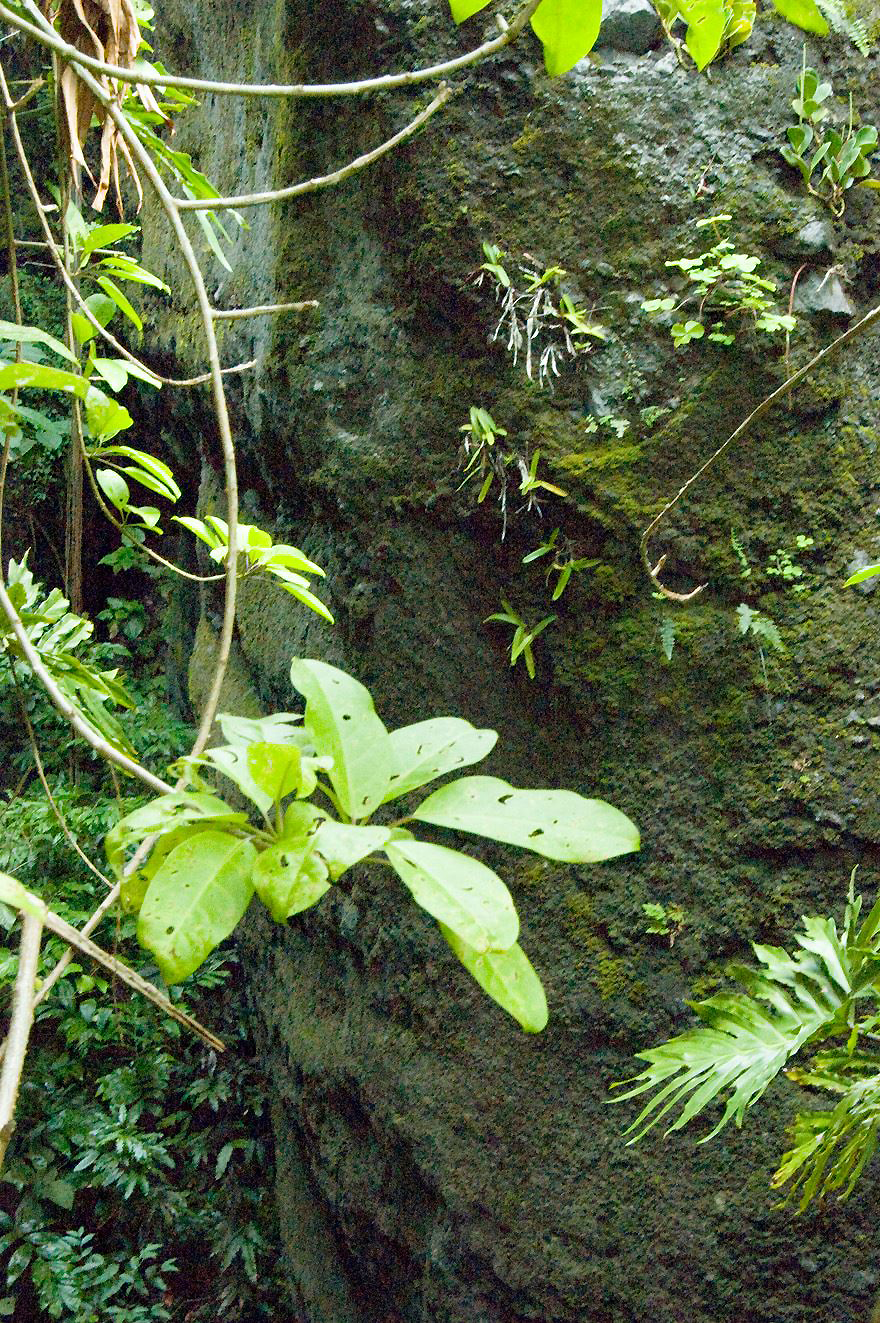
When describing the plant, similarities were noted with other orchid species such as the lady's slipper orchids, but unlike these, Mexipedium xerophyticum only inhabits a small area with desert-like conditions in the middle of the rainforest.
"It is very likely that its habitat had a larger extent a long time ago. It was a seasonally dry, tropical environment and with the retreat of the glaciers 11,000 years ago, the rainforest spread to North America. This virtually destroyed Mexipedium's habitat, leaving only about three hectares of limestone," explains Dr. Salazar.
Of the few specimens found in the wild, some reached a diameter of up to one meter, with a large number of leaf fans and stolons. However, no young specimens were discovered, which according to Salazar indicates that the species has probably not reproduced naturally for thousands of years.
After its discovery, Victor Albert, a biologist from the University of North Carolina and a specialist in plant genetics, confirmed from the plant's leaf tissue that it was a species that had never been described before. Thus, in 1992, the creation of the genus Mexipedium was proposed, which proved to be the missing link in the evolutionary line between the genera Paphiopedilum (from Southeast Asia) and Phragmipedium (from South America).
While the cultivation and research of Mexipedium xerophyticum outside its natural habitat continued, an intense dry season occurred in southern Mexico in 1998. In conjunction with an agricultural fire, the forest of Los Chimalapas, where the species had been discovered a decade earlier, was severely affected.
In the early 2000s, Eduardo Pérez, a biologist from the Universidad Nacional Autónoma de México (UNAM), worked in the region to find out whether the species had survived in the wild.
"Of all the burnt plants, only one survived, which was in poor condition. We extended the search in the same rocky area to a less accessible area, where we were able to find a few more plants," says Dr. Pérez about his discovery. Until then, he had feared that the entire population had been wiped out by the fire.
Scientists around the world have tried to propagate the species in culture to ensure its survival. However, this has only been successful in the United States.
Divisions were sent to the Missouri Botanical Garden, where Marylin Ledoux developed a method to successfully cultivate and maintain Mexipedium xerophyticum. Thanks to these initial propagation successes in the United States, the plant is now known all over the world," says Salazar.
On the other hand, Dr. Pérez explains that the main aim of cultivating the species in cultivation is not only to preserve it, but also to satisfy the market of private collectors, as the rarity of Mexipedium xerophyticum has made it one of the most sought-after species among orchid enthusiasts.
Successful cultivation methods in the United States, based on experience with the propagation of similar species, have enabled specimens to be passed on to private collections all over the world. The price of Mexipedium xerophyticum can vary, but regularly starts at $100. This does not include import permits and shipping.
Market and conservation
There are irregularities in connection with the purchase and sale of the species. "It is under the official Mexican standard 059 and is therefore classified as an endangered species. You can cultivate it and keep it at home as long as you have a legal certificate of origin. In reality, many plants that have been brought to Mexico for cultivation have been smuggled in," says Dr. Pérez.
Nevertheless, the trade in Mexipedium xerophyticum does not pose a threat to the species, as it is threatened with extinction in the wild and the plants for sale come from artificial propagation.
"Rare and interesting species need to be cultivated, propagated and kept in nurseries so that they are readily available on the market. This is necessary so that those who want plants do not take them out of their natural habitat to keep them in private collections and botanical gardens," explains Eric Hágsater, engineer and founding member of the Asociatión Mexicana de Orquideología (AMO).
Regardless of whether Mexipedium xerophyticum survives outside its natural habitat and eventually dies out there, its discovery is of central importance in the history of orchidology.
"It is a very important plant from a biological point of view. Its contribution is that it has filled a gap in the understanding of the evolutionary relationships between the lady's slipper orchids of South America and Southeast Asia. We were lucky enough to see it in its last moments before its natural extinction," Salazar concludes.
This article about Mexipedium xerophyticum was written by Ana Paola Garrido and Iñaki Arriola, journalism students at the Universidad Iberoamericana, Mexico City campus.